


Anime isn’t a niche medium anymore; it has become fully mainstream. In the past few years, anime films have dominated global box offices in ways few could have imagined. Audiences everywhere are connecting with its emotionally driven storytelling, artistry, and unforgettable characters. This proves that Japanese animation can not only stand toe to toe with Hollywood’s biggest hits, but also touch and change lives all over the world. So, let’s explore what goes into dubbing anime.
Dubbing Anime for a Western Audience
As a voice actor who dubs anime for Western audiences, it is an honor to play a part in bringing those stories to viewers from all over. Dubbing, however, is its own technical art form. It is quite different from Western pre-lay animation where dialogue is recorded before the visuals are finalized. In anime dubbing, the animation comes first, straight from Japan, so the actor must match every emotional beat and line to the timing and mouth movements already drawn. It is a challenge that tests both your acting instincts and your timing, s you work to stay believable while syncing perfectly to what is on screen. Anime characters are often seen as larger than life, shifting from melancholy to explosive; but dubbing anime is only believable through the actor’s subtleties and their ability to stay grounded in those situations.
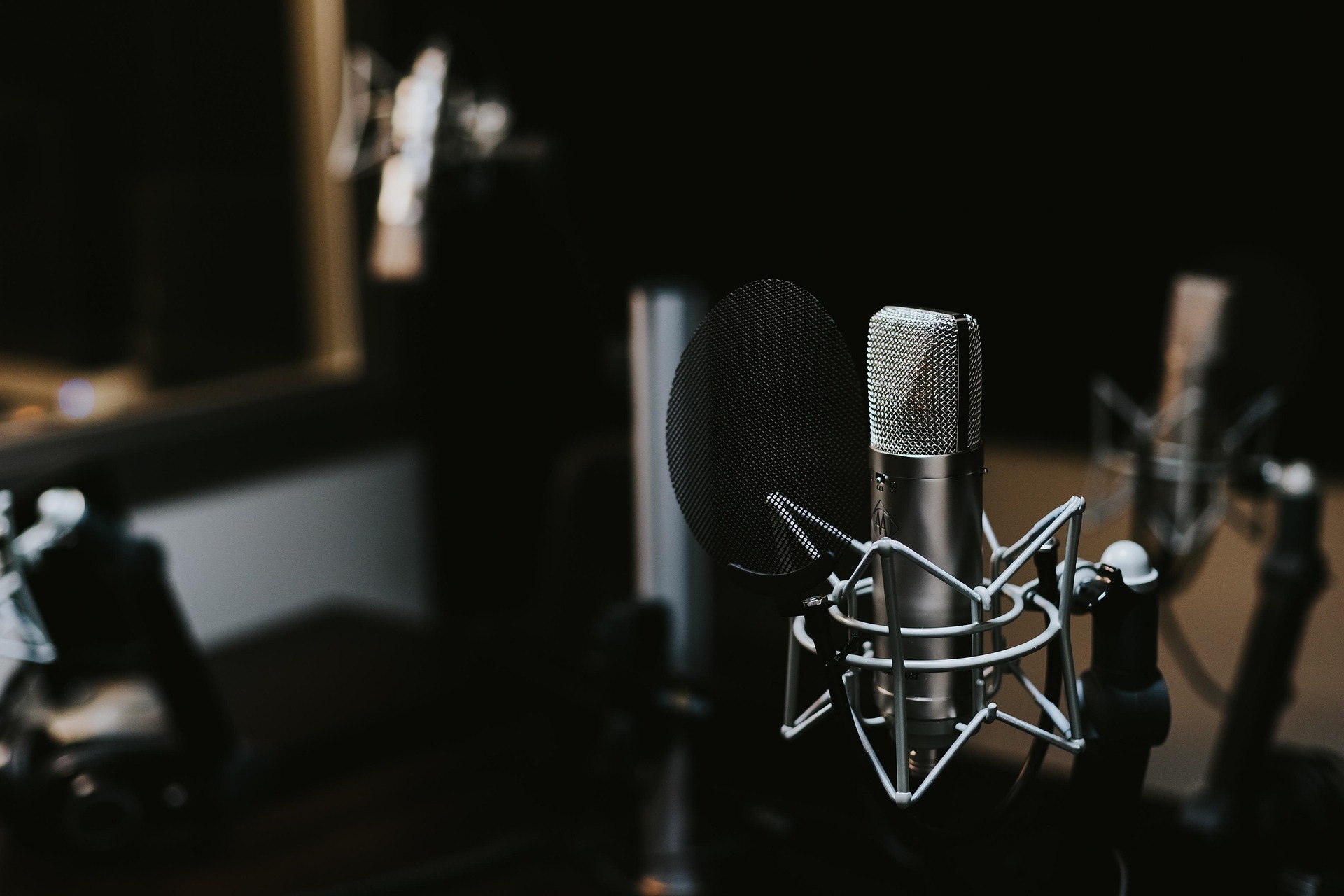
The Dubbing Environment
When dubbing, you rarely know exactly what you will be recording ahead of time. Unlike Western pre-lay animation, where you typically get your full script beforehand, dubbing for anime often requires you to dive in on the spot and assess your scene the moment you step into the booth. Usually, you are standing alone in a soundproof room, surrounded by foam panels, a microphone, and two screens, one for the script and one for the animation. Unless you are part of walla, which means you are recording with a group of actors for background voices.
The Anime Session
It is typically just you, the engineer, and the director. The director will give you their notes, the engineer will make you sound amazing (trying to save you where they can). However, it really comes down to you and your ability in that booth. Sometimes you will hear another actor’s lines in your headphones if they have recorded before you. However, the majority of the time you are the first one in. This means you are relying on your imagination and what you see on the screen. Either way, the expectation is always the same: make it real. Whether you are voicing a shy student confessing love for the first time or a pirate getting blown to pieces, your goal is to bring that character to life and make the audience believe it.
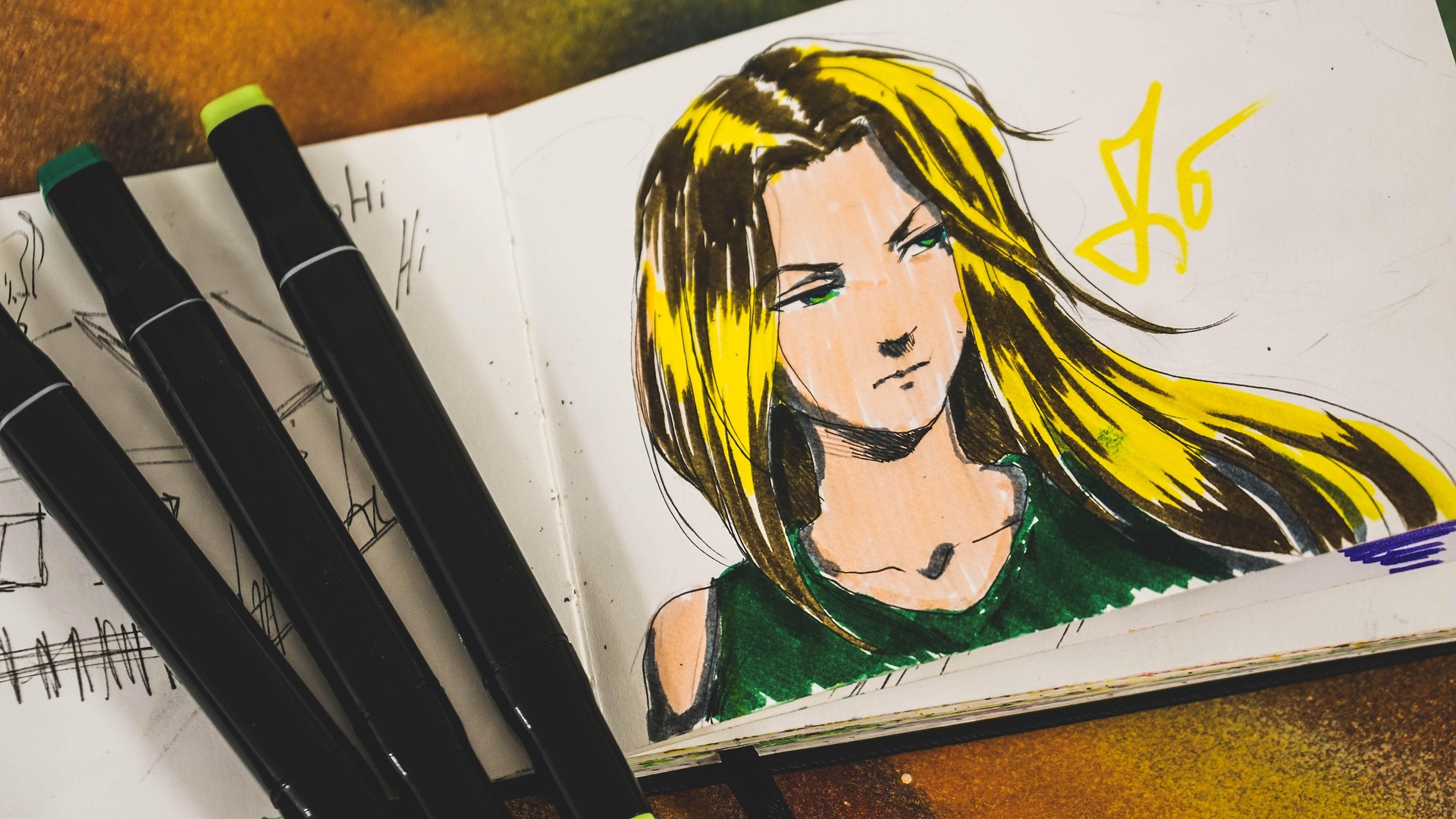
Dubbing Anime – Voice Acting is Acting
At the end of the day, acting is acting. A strong foundation in your craft is what carries you through, and everything else builds from there. Over time, you learn to understand anime archetypes, and you’ll get better with your beats when dubbing. Who knows, maybe one of your performances will reach someone and move them in a way that truly changes them. I believe as actors that’s what we do, we want to make the audience feel. I truly believe anime has become one of the most powerful ways to do exactly that.
Dubbing Anime by Gerard Caster